

What's a marketing strategy?
A marketing strategy is an approach to achieve a specific company goal. Typically, a campaign uses multiple media and channels to reach consumers with a holistic message with a specific objective.
This could be:
- Raising brand awareness
- Promoting a new product
- Collecting customer feedback
- Generating leads
What's an advertising campaign?
An advertising campaign is the messaging around these goals and will usually be centred around a single idea or theme. The theme or organising Idea will tend to be used for an extended period of time.
Some examples would be:
- The “Taste the Rainbow” campaign, Skittles
- The “Wassup” campaign, Budweiser
- The “Real Beauty” campaign, Dove
The marketing campaign is the strategy and the advertising campaign is the messaging that brings it to life.
Why do marketing campaigns matter?
It brings the marketing strategy to life. The campaign is the face and the voice of the strategy, and making it real is the most important (and the most exciting) part of marketing.
It helps focus creative ideas through a singular idea. It can be easy to get lost in ideas - having a holistic theme can really generate the best ideas. In fact, studies show that the more restraints you have creatively, the better the outcome can be.
Imagine you're given the task of creating a short film. What will you do? It may seem extremely hard to ideate something significant and you'll likely toy with 5-6 directions. Now imagine you're told that it has to be a social commentary, it has to be under 3 minutes long, and it has to incorporate a cupboard. Marketing campaigns are the same, as soon as you have that overarching idea, the creative (under that umbrella) can flourish.
It makes a brand memorable. It's hard enough to stand out, never mind be memorable. More than half of consumers around the world with internet access prefer to buy products from a familiar brand than to switch to a new brand. A campaign that reminds people of your presence will be vital to making someone choose your brand over a competitor.
How do you plan a campaign?
There are 10 steps set out by HubSpot for How to Create a Successful Marketing Campaign:
- Set a purpose and goal for your campaign
- Establish how you’ll measure your campaign
- Define your target audience
- Set a concept for your campaign and get in contact with the right team
- Choose the channels on which you’ll run your campaign
- Set a timeline for your campaign
- Ensure your campaign is driving users toward a desired action
- Monitor the right metrics
- Establish success numbers and metrics
- What will you do with the campaign data?
We think this is a great start, although one-size does not always fit all when it comes to a campaign's ideation, execution and monitoring.
At Cake, we focus on 3 types of campaigns.
Small campaigns, Big campaigns, and Always on campaigns.

This way, we can prioritise our campaign ideas and pinpoint whether this is a permanent brand message, a seasonal promotion, or even a small push on a specific product. Arguably, once the 'Always On' is created, it will free us (and our clients) up to ideate creatively around big and smaller campaigns - although the work is never fully complete for 'Always On'.
Our favourite examples
Hinge's The dating app designed to be deleted campaign

Dove's Reverse Selfie campaign

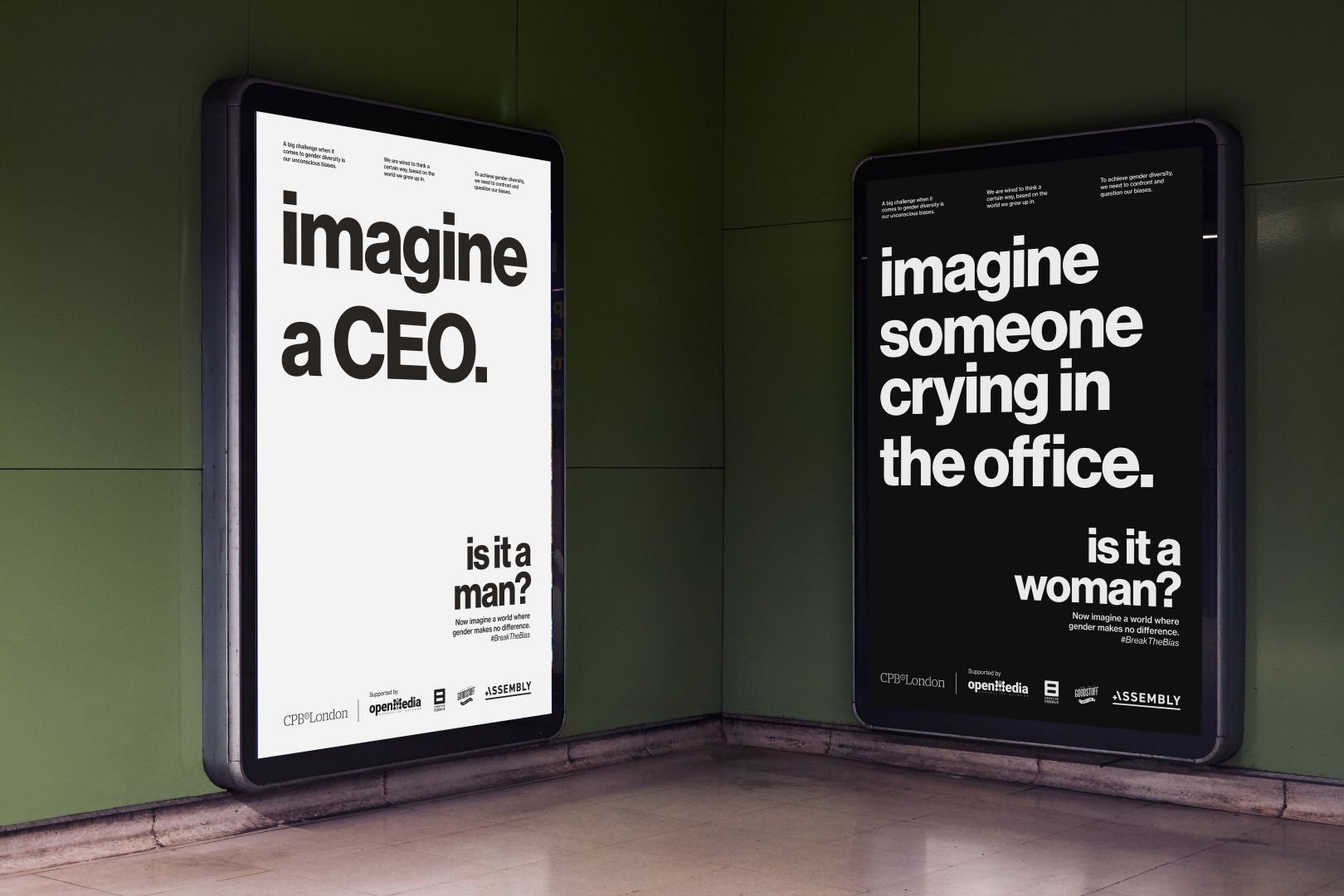
CPB London’s Imagine campaign
Get campaigning…
Think campaigns. It will make your brand stand out, memorable, relatable, relative, and will help you understand what your brand has to say. It will also help you organise your internal marketing efforts, and it will make you money.
Need help thinking in campaigns? We’re here to help!
.png)